
Female Infertility: Causes, Diagnosis, and Treatment Options
Infertility is defined as the inability to conceive after one year of regular and unprotected sexual intercourse. In women, infertility can be caused by a variety of factors, including issues with ovulation, blocked fallopian tubes, uterine abnormalities, or hormonal imbalances. Here is some information about female infertility, including its causes, diagnosis, and treatment options.
Causes of Female Infertility:
Ovulatory Disorders: The most common cause of infertility in women is ovulatory disorders. This includes conditions such as Polycystic Ovarian Syndrome (PCOS), hypothalamic dysfunction, and premature ovarian failure.
Tubal Factors: Blocked fallopian tubes can prevent the sperm from reaching the egg, and can also prevent the fertilized egg from reaching the uterus.
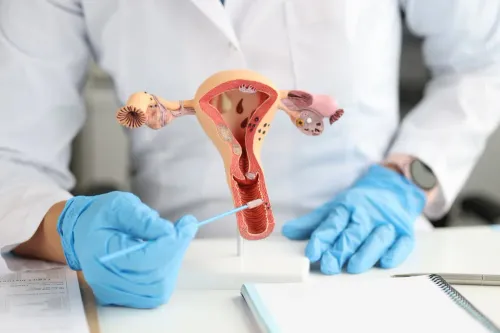
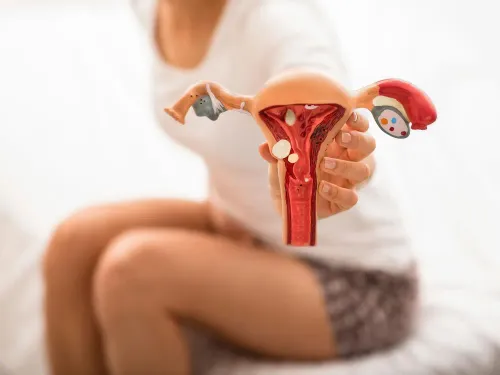
Uterine Factors: Uterine abnormalities such as fibroids, adhesions, and septums can interfere with implantation of the fertilized egg in the uterus.
Endometriosis: Endometriosis is a condition where the tissue that normally lines the uterus grows outside the uterus and can interfere with fertility.
Age: As women age, their fertility declines due to the decreased number and quality of eggs.
Diagnosis of Female Infertility:
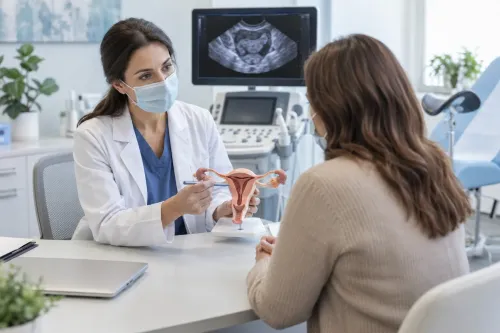
To diagnose female infertility, a comprehensive medical history and physical exam are conducted to identify any underlying medical conditions or risk factors. Some diagnostic tests may include:
Hormonal Tests: These tests are used to evaluate ovarian function and hormone levels.
Ovarian Reserve Testing: This test is used to determine the number and quality of a woman's eggs.
Imaging Tests: These tests may include an ultrasound or a hysterosalpingogram (HSG) to evaluate the uterus and fallopian tubes.
Laparoscopy: This is a surgical procedure that involves inserting a camera through a small incision in the abdomen to evaluate the pelvic organs.
Treatment Options for Female Infertility:
Ovulation Induction: This involves taking medications to stimulate ovulation and increase the chances of conceiving.
Intrauterine Insemination (IUI): This is a procedure where sperm is placed directly into the uterus to increase the chances of fertilization.
In Vitro Fertilization (IVF): This involves fertilizing an egg outside the body and then transferring the embryo to the uterus.
Surgery: Surgery may be necessary to remove any obstructions or abnormalities in the reproductive organs.
Donor Egg or Sperm: In some cases, donor eggs or sperm may be used if there are severe fertility issues.
In conclusion, female infertility is a complex issue that can have many causes. However, there are a variety of treatment options available to help women conceive. If you are struggling with infertility, it is important to speak with your healthcare provider to discuss your options and develop a plan of management contact a gynaecologist specializing in this area.
Keywords