
**What is it?**
It's a keyhole surgery to remove one or both fallopian tubes before you start IVF treatment.
**Why would a doctor recommend it?**
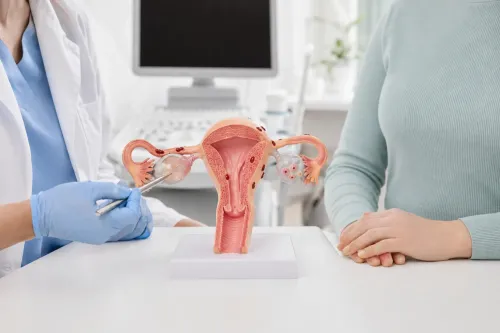
The main reason is a condition called a **hydrosalpinx** — when a fallopian tube is blocked and filled with fluid. That fluid can leak back into the uterus and is toxic to embryos, significantly lowering IVF success rates. Removing the tube eliminates that problem.
**How is it done?**
The surgeon makes 2–3 tiny cuts in your abdomen and inserts a small camera (laparoscope) and instruments. The tube is cut away and removed. You're under general anaesthesia. It typically takes 30–60 minutes and is usually done as day surgery — you go home the same day.
**Does removing a tube affect my chances of getting pregnant naturally?**
If both tubes are removed, yes — natural conception is no longer possible, which is why you'd then rely on IVF. If only one tube is removed and the other is healthy, natural conception is still theoretically possible.
**Will it hurt IVF success?**
Counterintuitively, removing a damaged tube *improves* IVF success rates — sometimes by as much as doubling them — because the toxic fluid is gone. The ovaries are not touched, so egg production is unaffected.
**Recovery**
Most people feel back to normal within **1–2 weeks**. Some bloating, shoulder tip pain (from the gas used during surgery), and mild soreness at the incision sites is normal in the first few days.
**When can IVF start after surgery?**
Usually after **one full menstrual cycle** — roughly 4–6 weeks — to allow healing.
**Key takeaway:** It feels counterintuitive to remove a body part before trying to get pregnant, but for people with damaged, fluid-filled tubes, this surgery gives IVF the best possible chance of working.
Keywords