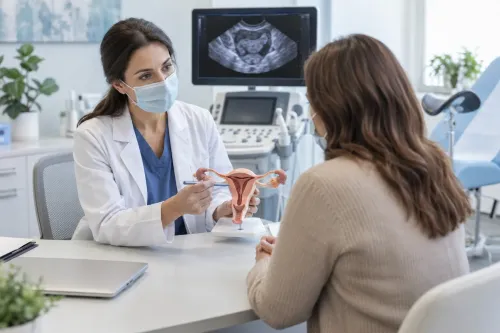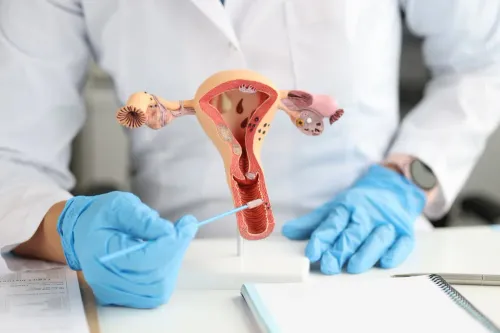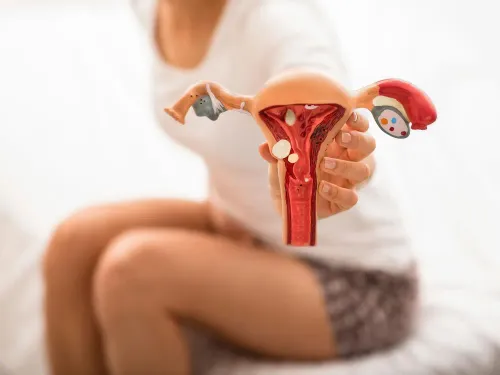

Polycystic ovary syndrome (PCOS) is a common hormonal disorder among women of reproductive age. It is estimated to affect 5-10% of women of childbearing age. PCOS is caused by hormonal imbalances that affect the ovaries, leading to the growth of small cysts on the ovaries.
Symptoms:
The symptoms of PCOS can vary from person to person, but the most common symptoms include:
- Irregular periods or no periods at all
- Heavy periods
- Difficulty getting pregnant
- Excessive hair growth on the face, chest, or back
- Acne
- Weight gain
- Thinning hair on the scalp
- Darkening of the skin on the neck, groin, and underarms
- Fatigue
- Mood changes
Diagnosis:
There is no single test for PCOS, and the diagnosis is usually made by a doctor after ruling out other possible conditions. Your doctor may perform a physical exam, take a medical history, and order blood tests to check hormone levels.
Treatment:
The treatment for PCOS depends on the symptoms and the severity of the condition. There is no cure for PCOS, but there are treatments that can help manage the symptoms. Treatment options may include:
- Hormonal birth control to regulate menstrual cycles and reduce excessive hair growth and acne
- Medications to stimulate ovulation in women who are trying to conceive
- Lifestyle changes such as losing weight, exercising regularly, and eating a healthy diet to help manage symptoms
- Medications to lower insulin resistance, which can help regulate hormone levels and improve symptoms
Complications:
If left untreated, PCOS can lead to a number of health complications, including:
- Infertility
- Type 2 diabetes
- High blood pressure
- High cholesterol
- Sleep apnea
- Depression and anxiety
- Endometrial cancer (cancer of the lining of the uterus)
Prevention:
There is no known way to prevent PCOS, but maintaining a healthy weight and exercising regularly may help reduce the risk of developing the condition or help manage symptoms if you already have it.
Keywords