Laparoscopy is recommended for a specific suspected condition, not simply because you have pelvic pain, infertility or an abnormal scan. By the end, you will know which symptoms and test results can lead to surgery, when medication or observation is safer, what the operation involves and which questions to ask before choosing a surgeon in Mumbai.
Key takeaways
- Laparoscopy can diagnose and treat endometriosis, ovarian cysts, fibroids and infertility-related conditions.
- Doctors use symptoms, scans and fertility goals to decide whether laparoscopy is appropriate.
- Ask how laparoscopy compares with medication, hysteroscopy, imaging or open surgery.
- Check the surgeon’s experience, hospital facilities, anaesthesia plan and follow-up arrangements.
When do women need laparoscopy treatment in Mumbai?
Doctors consider laparoscopy when symptoms or test results suggest that direct inspection or surgical treatment could change your care.
The question “when do women need laparoscopy treatment in Mumbai” has the same medical answer as elsewhere: persistent pelvic pain, painful periods, pain during sex, abnormal bleeding, infertility with suspected pelvic disease, pelvic adhesions, pelvic organ prolapse, ectopic pregnancy, or selected tubal and ovarian conditions.
The decision combines your symptom history, pelvic examination, pregnancy status, ultrasound or MRI findings, fertility plans and previous treatment. A recommendation becomes stronger when:
- Pain or bleeding continues despite appropriate medication
- Imaging suggests endometriosis, blocked tubes, adhesions, an ovarian mass or another pelvic abnormality
- Examination finds marked tenderness or a pelvic mass
- Tissue needs direct treatment rather than observation
Mumbai affects access, referral and hospital choice; it does not change the indication for surgery. For possible ectopic pregnancy, seek urgent assessment after a positive pregnancy test with one-sided pain, bleeding, dizziness or fainting. Serial human chorionic gonadotrophin testing and transvaginal ultrasound help distinguish observation, methotrexate treatment and surgery.
Suspected rupture or haemodynamic instability requires urgent surgical care.
How laparoscopy for endometriosis is chosen and performed
Endometriosis does not automatically require surgery. Symptoms, pelvic examination, and ultrasound or MRI can support a clinical diagnosis, allowing medication first when appropriate. Laparoscopy for endometriosis in Mumbai becomes more relevant when imaging is inconclusive, pain continues despite treatment, or visible disease is likely to benefit from surgery.
During the operation, the surgeon examines:
- Superficial implants, deep lesions and adhesions that may distort pelvic organs.
- Endometriomas, which are ovarian cysts filled with old blood.
- Disease involving the bowel, bladder or ureters, where specialist support may be needed.
Treatment is tailored to the location and depth of disease. It may include excision or ablation of implants, division of adhesions, and carefully selected treatment of an endometrioma. This is not a simple washing-out procedure; removing ovarian tissue can reduce ovarian reserve, especially with bilateral, recurrent or large endometriomas.
Discuss pregnancy plans and ovarian-reserve assessment before ovarian surgery. Deep or bowel-involving disease may require colorectal, urological or other specialist support. Surgery may not remove every source of pain: a normal-looking pelvis does not exclude microscopic endometriosis, and pain may arise from non-gynaecological causes.
What other conditions can laparoscopy treat or investigate?
If you are asking “what is laparoscopy treatment”, it is keyhole surgery used for a specific suspected pelvic problem, not a universal answer for pain, infertility or every ovarian finding.
Doctors may consider it for:
- Ectopic pregnancy, especially when bleeding or rupture makes urgent surgery necessary
- Adhesions left by pelvic infection or earlier abdominal surgery
- Chronic pelvic pain when examination or imaging suggests endometriosis or another pelvic abnormality
- Selected blocked or damaged tubes
- Pelvic organ prolapse when laparoscopic repair is appropriate
- Carefully chosen ovarian conditions
Fibroids and ovarian cysts need condition-specific assessment; their presence does not automatically justify laparoscopy.
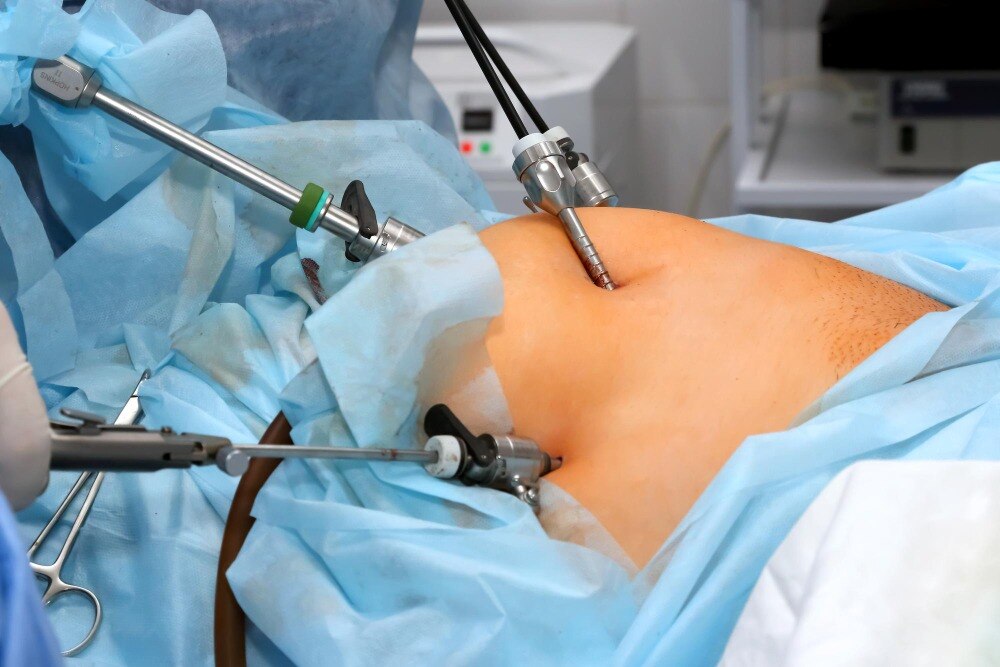
Diagnostic laparoscopy inspects the pelvis and records what the surgeon finds. Operative laparoscopy adds instruments to divide adhesions, treat endometriosis, manage an ectopic pregnancy or complete another planned procedure.
| Type | What happens | Typical purpose |
|---|---|---|
| Diagnostic | Camera inspection and documented findings | Clarify unexplained pain, tubal disease or adhesions |
| Operative | Treatment through additional instruments | Correct a finding identified before or during surgery |
One operation can move from inspection to treatment if your consent covers that possibility and treating the finding is safe.
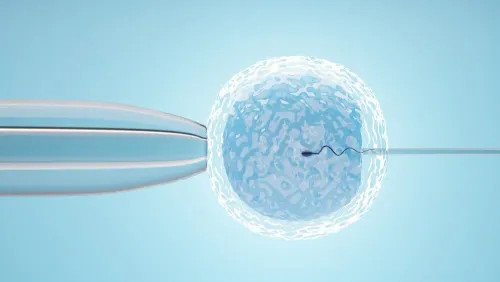
For infertility, laparoscopy is selective, not routine first-line testing. Initial assessment considers ovulation, ovarian reserve when indicated, semen analysis and tubal patency. Laparoscopy becomes more useful when pain, endometriosis, adhesions, tubal disease or another abnormality could change treatment. A normal result does not prove infertility or pain has no cause.
What happens before and during the operation?
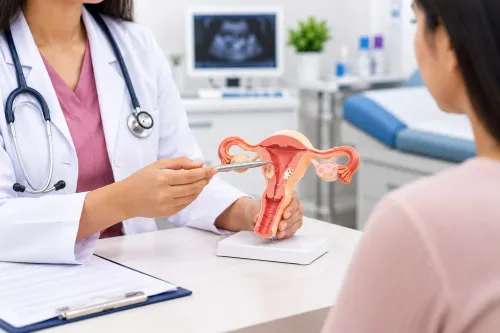
Your consultation should review your symptoms, previous operations, medicines, allergies, pregnancy plans and ultrasound or MRI findings. Expect a pelvic examination when appropriate, blood tests and a pregnancy test.
Before admission, ask:
- Which medicines should you stop or continue?
- When must you stop eating and drinking?
- Do you need bowel preparation?
- What procedure will the surgeon attempt?
- Which additional procedures are covered if the findings change the plan?
| Stage | What happens | What to confirm |
|---|---|---|
| Before surgery | Tests and examination assess safety and guide the planned procedure. | Consent covers the intended treatment and possible additions. |
| During laparoscopy | Anaesthesia keeps you asleep; carbon dioxide creates working space, a camera enters through one incision, and instruments enter through others. | The surgeon will inspect the pelvis and perform the agreed treatment. |
| Completion | The gas is released, instruments are removed, and incisions are closed with sutures, adhesive or dressings. | Ask about recovery and wound care. |
Adhesions, bleeding or deep disease can make safe treatment more extensive than planned. Your consent should include conversion to open abdominal surgery, blood transfusion and involvement of another specialist when clinically necessary.
What should you compare with laparoscopy, and what are the risks?
The right alternative depends on the suspected problem, symptom severity, fertility plans and anaesthetic risk. Choose medication when it controls symptoms; planned open surgery when extensive disease needs wider access; and immediate stabilisation rather than scheduled laparoscopy during an emergency. Emergency laparoscopy can treat suspected ruptured ectopic pregnancy or internal bleeding after clinical assessment.
| Option | What it means | When it applies |
|---|---|---|
| Watchful waiting | Monitor symptoms and repeat examination or imaging | Stable symptoms with no urgent finding |
| Pain or hormonal medication | Control pain, bleeding or endometriosis activity | Medication controls the suspected condition |
| Hysteroscopy | Camera treatment through the vagina and cervix | Polyps, some fibroids or bleeding inside the uterus |
| Vaginal or open surgery | Operate without abdominal keyhole access | Prolapse or extensive disease needing planned access |
| Image-guided procedures | Treat or sample through ultrasound or another scan | Selected cysts, collections or fluid problems |
| Assisted reproductive treatment | IVF or another fertility pathway | Infertility where surgery will not improve conception chances |
Laparoscopy remains major surgery. Risks include bleeding, infection, anaesthetic complications, blood clots, injury to the bowel, bladder, ureters or blood vessels, port-site hernia and conversion to open surgery. Shoulder-tip pain, soreness, fatigue, bloating and light bleeding can follow.
Recovery ranges from days after simple diagnosis to several weeks after extensive endometriosis or bowel, bladder or ovarian surgery.
Seek urgent review for:
- Worsening pain, fever, heavy bleeding or vomiting
- Fainting, breathlessness, chest pain or a swollen painful leg
- Inability to pass urine, or a red, draining incision
How to choose a gynaecological laparoscopy specialist in Mumbai
Choose a gynaecological laparoscopy specialist by relevant training and experience with your proposed operation, not by the title alone. Ask how often the surgeon performs that exact procedure and how they manage deep or bowel-involving endometriosis.
| Question | Why it matters | What to ask for |
|---|---|---|
| Specific procedure volume | Experience differs between diagnostic surgery, endometriosis excision and ovarian surgery | A recent annual case number |
| Complication and conversion rates | Complex disease can require open surgery or treatment of an injury | The surgeon’s figures for your operation |
| Fertility preservation | Ovarian or tubal surgery can affect future pregnancy | Alternatives and ovarian-reserve considerations |
| Team access | Bowel, bladder or fertility concerns may need coordinated care | Colorectal, urological, fertility and anaesthesia expertise |
| Follow-up | Recovery and unexpected findings need continued review | Named contact, review timing and warning signs |
Dr Bhavini Shah Balakrishnan offers a Mumbai-based obstetrics, gynecology and fertility consultation for discussing symptoms, imaging, fertility goals, non-surgical options and whether referral for laparoscopy is justified.
Leave the consultation with a named suspected condition, a clear reason for surgery, alternatives, likely findings, recovery expectations and a plan if laparoscopy does not explain your symptoms. That is informed choice, not simply agreeing to an operation.
Related service
Laparoscopy Treatment Laparoscopy is a minimally invasive surgical procedure that uses a thin, lighted tube with a camera (laparoscope) to examine the inside of the... View service → |
Frequently asked questions
When do women need laparoscopy treatment in Mumbai?
Doctors consider laparoscopy when pelvic pain, infertility, abnormal bleeding, ovarian cysts, fibroids or scan findings require direct inspection or surgical treatment. The decision depends on your symptoms, test results, medical history and reproductive goals.
How is laparoscopy for endometriosis chosen and performed?
A specialist reviews your symptoms, examination and imaging before recommending surgery. During laparoscopy, the surgeon makes small abdominal incisions, uses a camera to inspect the pelvis, and removes or treats visible endometriosis when appropriate.
What other conditions can gynaecological laparoscopy treat or investigate?
It can investigate unexplained pelvic pain and infertility, and treat conditions such as ovarian cysts, ectopic pregnancy, adhesions, fibroids and endometriosis when surgery is appropriate.
What happens before and during a laparoscopy operation?
Before surgery, you discuss medicines, allergies, fasting, anaesthesia, pregnancy testing, expected recovery and consent. Under general anaesthesia, the surgeon makes small incisions, inflates the abdomen with carbon dioxide, examines the pelvic organs and performs the planned procedure.
What should you compare with laparoscopy, and what are the risks?
Compare laparoscopy with observation, medication, ultrasound or MRI, hysteroscopy and open surgery according to the condition being treated. Risks include bleeding, infection, anaesthesia complications and injury to nearby organs, alongside recovery time and possible effects on fertility.
Keywords