Before choosing an abortion method, you need to confirm the pregnancy, estimate how far along it is and check for signs that require urgent assessment. By the end, you will know how medication and procedural abortions differ, what information to share with a clinician, which symptoms are expected and when to seek emergency care.
Key takeaways
- Ultrasound confirms pregnancy location and gestational age before treatment.
- Medication abortion is unsuitable when ectopic pregnancy is suspected or follow-up is unavailable.
- Seek urgent care for heavy bleeding, severe pain, fainting, fever, or worsening symptoms.
- Follow-up confirms completion and identifies complications without reducing future fertility.
How pregnancy location and gestational age are confirmed
A urine pregnancy test detects human chorionic gonadotropin (hCG) and usually confirms pregnancy after a missed period. A blood pregnancy test can detect lower hCG levels and provide a quantitative result, which helps clinicians track an uncertain or very early pregnancy.
Gestational age calculation from LMP uses the first day of your last menstrual period, not the day of conception. If your last menstrual period is reliable and you have no ectopic-pregnancy symptoms or major risk factors, an early medication abortion may not require routine ultrasound.
| Test or assessment | What it shows | When it matters |
|---|---|---|
| Urine pregnancy test | Detects hCG | Initial confirmation at home or in a clinic |
| Blood pregnancy test | Measures hCG concentration | Very early pregnancy or serial monitoring |
| Transvaginal ultrasound | Shows pregnancy location and measures development | Uncertain dates, pain, bleeding, or ectopic-pregnancy concern |
Ultrasound can confirm an intrauterine pregnancy and estimate age when dates are unclear. It also helps investigate ectopic pregnancy, but a very early scan may not yet show the pregnancy; clinicians may repeat hCG testing or ultrasound.
Seek prompt assessment for one-sided pelvic pain, shoulder-tip pain, dizziness, fainting, or unusual bleeding. The concern is higher with an intrauterine-device pregnancy, previous ectopic pregnancy, or tubal surgery. Abortion medication does not treat an ectopic pregnancy.
How medication abortion works and when it is unsuitable
Mifepristone blocks progesterone, the hormone that maintains the pregnancy, while misoprostol softens the cervix and causes uterine contractions to empty it. Mifepristone followed by misoprostol is more effective than misoprostol alone for early medication abortion.
You take the medicines in sequence, using the route and timing as prescribed by a clinician. Depending on the regimen, misoprostol may be placed in the cheek, under the tongue or in the vagina after mifepristone. Cramping and bleeding are expected; nausea, diarrhoea, chills and a temporary fever can also occur.
Medication abortion is not an appropriate choice for self-treatment when:
- Ectopic pregnancy is suspected. These medicines do not treat a pregnancy outside the uterus.
- The pregnancy is beyond the regimen’s supported gestational range.
- You have chronic adrenal failure or take long-term systemic corticosteroids.
- You have a bleeding disorder, use anticoagulants, or have an allergy to mifepristone or misoprostol.
These situations require individual assessment and may call for a procedural abortion or other treatment. Do not rely on pills from an unverified source or choose a dose without clinical guidance.
Bleeding does not prove that the abortion is complete. Follow the recommended check, which may use symptoms, a clinician-provided low-sensitivity pregnancy test, blood hormone tests or ultrasound. A standard home urine test can remain positive for several weeks because pregnancy hormone declines gradually.
What happens during a procedural abortion
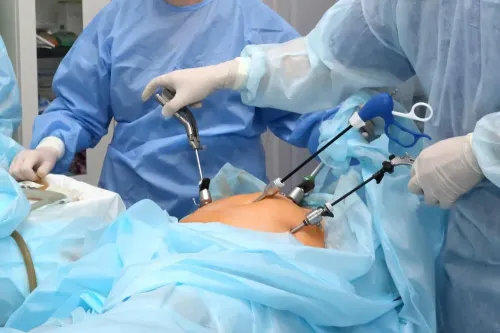
A procedural abortion removes pregnancy tissue through the cervix, usually by suction aspiration. Cervical preparation with medication, osmotic dilators, or both softens and opens the cervix when needed.
In the procedure room, a clinician uses a speculum, cleans the cervix, provides pain control, gently dilates the opening, and passes a thin cannula into the uterus to remove the tissue with suction. The procedure itself usually takes only a few minutes.
Pain-control choices depend on the clinic, your health, and your preference:
| Pain control | What you may feel or need |
|---|---|
| Local anaesthetic | Numbing injection; you remain awake and may feel pressure or cramping |
| Oral pain medicine | Helps with cramps but does not cause sedation |
| IV sedation | Makes you drowsy and relaxed; arrange transport home |
| General anaesthesia | You are fully asleep; availability and recovery requirements vary |
Afterward, cramping usually settles within hours, and light bleeding or spotting can continue for several days. Many people return to routine activities the next day, following their clinician’s instructions. Do not drive after sedation or anaesthesia.
Compared with medication abortion, procedural abortion is faster and more predictable, with the main bleeding usually occurring soon after treatment. Medication abortion happens over hours to days, often causes heavier bleeding and stronger cramps at home, and needs follow-up confirmation because it can be incomplete.
What to disclose before treatment and which symptoms need urgent care
Tell the clinician your complete medical history before choosing medication or procedural abortion. These details can change the safest method, medication dose, monitoring, or need for ultrasound.
- Prior ectopic pregnancy, tubal surgery, an intrauterine device, or pregnancy of uncertain location
- Cesarean deliveries or other uterine surgery
- Bleeding disorders, easy bruising, or previous transfusion
- Anticoagulants such as warfarin, heparin, or apixaban
- Long-term steroid treatment or chronic adrenal failure
- Allergies to mifepristone, misoprostol, antibiotics, or anaesthetic medicines
Dr Bhavini Shah Balakrishnan can use this information to decide whether you need examination, blood tests, ultrasound, or a supervised procedure rather than self-treatment.
| Symptom | More consistent with expected effects | Seek urgent medical care |
|---|---|---|
| Bleeding | Heavier than a period, with clots, then gradually easing | Soaking two or more full-size sanitary pads per hour for two consecutive hours |
| Cramping | Strong cramps that improve with prescribed pain relief | Severe, worsening, or persistent pain, especially on one side |
| Whole-body symptoms | Tiredness or mild nausea that settles | Fever, fainting, dizziness, or feeling very unwell |
| Possible ectopic pregnancy | No one-sided or shoulder-tip pain | One-sided pelvic pain, shoulder-tip pain, fainting, or unusual bleeding |
Do not wait for a scheduled follow-up if an urgent symptom appears. Abortion medicines do not treat an ectopic pregnancy, so prompt assessment matters even when bleeding seems light.
Related service
MTP Services MTP (Medical Termination of Pregnancy) services refer to the medical procedures and care provided to terminate a pregnancy. View service → |
How follow-up confirms completion and protects future fertility
A positive home pregnancy test does not prove that a medication abortion failed. Pregnancy hormone can remain detectable for several weeks, even after the pregnancy has ended. Follow-up confirms completion rather than relying on bleeding alone, because bleeding can occur with an incomplete or ongoing pregnancy.
Your clinician may use:
- A low-sensitivity pregnancy test at the protocol’s scheduled time, often about three to four weeks later; a negative result supports completion.
- Serial hCG testing, using blood samples taken over time to confirm that pregnancy hormone is falling as expected.
- Ultrasound when symptoms persist, the pregnancy location was uncertain, the test remains positive, or completion is unclear.
After a procedural abortion, the clinician often confirms completion during the procedure and arranges review if bleeding, pain, or pregnancy symptoms continue. Seek prompt assessment for worsening one-sided pain, fainting, fever, foul-smelling discharge, or heavy bleeding; untreated infection and significant uterine or cervical injury are uncommon but can threaten future fertility.
Ovulation can return as soon as 8–10 days after abortion and commonly returns within the first month. You can become pregnant before your first period. Contraception after abortion can usually start immediately: pills, implants, injections, condoms, and an intrauterine device are options when clinically appropriate.
After medication abortion, an intrauterine device is placed once completion is confirmed. An uncomplicated medication or procedural abortion does not generally reduce future fertility.
Frequently asked questions
How are pregnancy location and gestational age confirmed?
Clinicians combine pregnancy testing with medical history, examination when needed, and ultrasound to confirm where the pregnancy is located and estimate gestational age.
When is medication abortion unsuitable?
Medication abortion is unsuitable when ectopic pregnancy is suspected, certain medical conditions or medicines affect safety, or you cannot access urgent care and follow-up.
What happens during a procedural abortion?
A clinician opens the cervix, removes the pregnancy using suction, and monitors you during recovery. The procedure, pain relief, and observation time depend on gestational age and your health.
Which symptoms need urgent medical care after an abortion?
Seek urgent care for heavy bleeding, severe or one-sided abdominal pain, fainting, fever, worsening illness, or symptoms that concern you.
How does follow-up confirm abortion completion?
Follow-up may include symptom review, a pregnancy test, blood hCG testing, or ultrasound. The clinician chooses the method based on your treatment and symptoms.