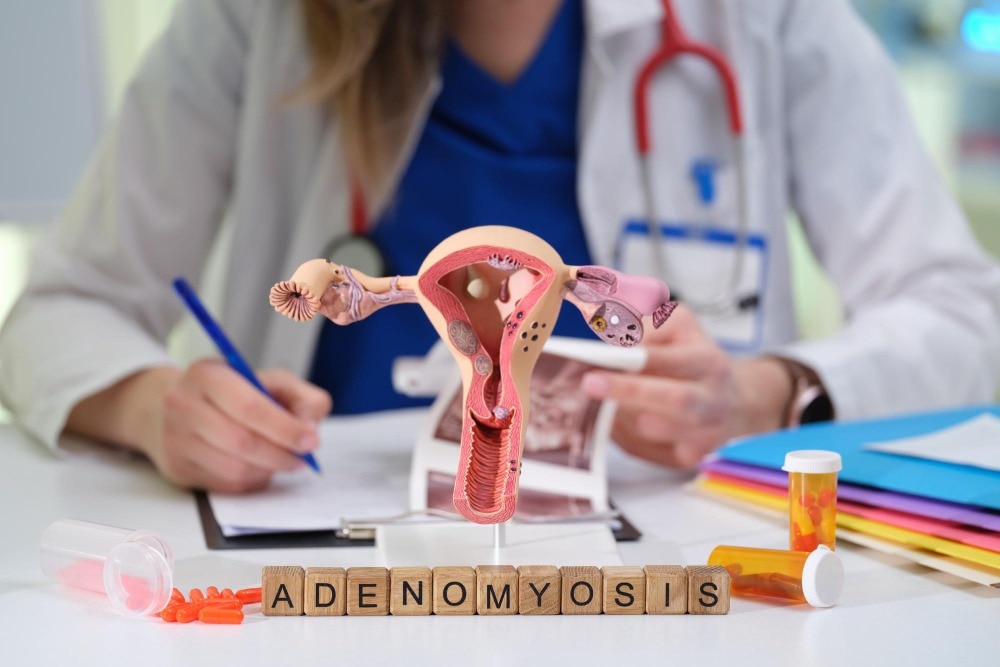
Heavy bleeding from adenomyosis can leave you exhausted, iron-deficient and unsure whether medication, an intrauterine system, a procedure or surgery is the right next step. You will learn how each option affects bleeding, pain, fertility and recurrence, and which questions to take to a clinician before choosing treatment.
Key takeaways
- Adenomyosis can cause heavy, painful periods by disrupting the uterine muscle.
- Ultrasound and MRI help assess adenomyosis and exclude fibroids or other causes.
- Hormonal medicines, tranexamic acid and anti-inflammatory drugs target bleeding or pain.
- Choose procedures or surgery after weighing fertility plans, anaemia and disease extent.
What adenomyosis is and why it can make periods so heavy
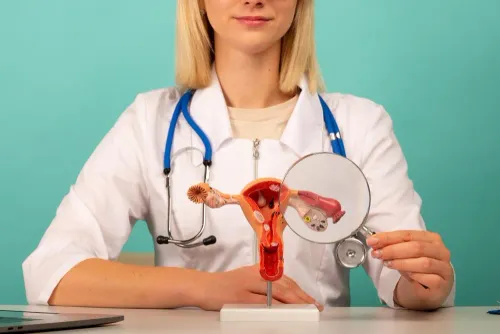
Adenomyosis develops when endometrial-like tissue, the lining-type tissue that normally coats the uterine cavity, grows into the uterine muscle. It remains inside the uterine wall rather than staying confined to the cavity. Unlike endometriosis, which involves similar tissue outside the uterus, adenomyosis changes the muscle itself.
Each menstrual cycle, this misplaced tissue responds to oestrogen and progesterone. It thickens and bleeds, but blood cannot leave the body through the usual route because the tissue is embedded in muscle. The trapped bleeding triggers inflammation, swelling and microscopic injury. Over time, the uterus can become enlarged, tender and less able to contract normally.
That combination explains heavy menstrual bleeding: adenomyotic areas add bleeding within the uterine wall, while inflammation disrupts the orderly shedding and repair of the lining. Bleeding can last longer than expected, include clots, or return after a short interval. Ongoing blood loss can also deplete iron stores and cause iron-deficiency anaemia before haemoglobin falls markedly.
Pain comes from several mechanisms. Inflamed muscle becomes sensitive, and the uterus contracts against a stiff, swollen wall during menstruation. Those stronger, less coordinated contractions can cause severe cramps, pelvic pressure and pain that begins before bleeding or continues after it starts.
The depth and spread of adenomyosis influence how intense symptoms become, so a small visible abnormality does not always mean mild disease.
How clinicians investigate heavy bleeding suspected to be adenomyosis
The pattern of bleeding matters. A menstrual history should record cycle length, days of bleeding, flooding, clots, bleeding between periods, and pain severity. Adenomyosis is more likely when heavy or prolonged periods occur with severe cramping, deep pelvic pain, pain during sex, or a gradually enlarged, tender, boggy uterus.
Ask about pregnancy history, previous uterine surgery, infertility, and symptoms suggesting endometriosis.
A pelvic examination can find uterine enlargement or tenderness, but a normal result does not exclude adenomyosis. Order a complete blood count and ferritin to detect iron deficiency, even when haemoglobin is near normal. A pregnancy test is needed when pregnancy could explain new bleeding.
| Finding | Supports adenomyosis | Suggests another cause |
|---|---|---|
| Transvaginal ultrasound | Globular uterus, uneven muscle-wall thickening, fan-shaped shadowing, myometrial cysts, or an indistinct junctional zone | A sharply outlined fibroid, an intracavity polyp, or a thickened endometrium points elsewhere |
| MRI | Thickened junctional zone, often over 12 mm, with small low-signal muscle foci; useful when ultrasound is unclear or surgery is planned | A discrete, well-circumscribed mass favours fibroid |
| Symptoms | Heavy periods plus progressive period pain and chronic pelvic tenderness | Painless bleeding raises concern for a polyp or endometrial disorder |
Ultrasound findings overlap with fibroids, so clinicians combine symptoms, examination and imaging rather than relying on one sign. Definitive microscopic confirmation usually requires examination of a hysterectomy specimen.
Medicines that control adenomyosis bleeding and pain
Tranexamic acid is the main non-hormonal medicine for reducing menstrual blood loss. Take it only during the period, as prescribed; it does not shrink adenomyosis or reliably relieve uterine pain. A clinician will check your history of blood clots and other contraindications first.
| Option | Main benefit | Pregnancy status |
|---|---|---|
| Tranexamic acid | Reduces bleeding; little effect on pain | Can be used while trying to conceive, with medical advice |
| Ibuprofen or other NSAIDs | Relieves period pain and may reduce bleeding modestly | Use cautiously while trying to conceive; avoid after pregnancy is confirmed |
| Combined hormonal contraception | Reduces bleeding and pain; prevents pregnancy | Not compatible with trying to conceive |
| Progestogen-only treatment | Suppresses bleeding and pain; prevents pregnancy while used | Not compatible with trying to conceive |
| Levonorgestrel-releasing intrauterine system | Strong bleeding control and pain improvement; prevents pregnancy | Must be removed before trying to conceive |
| Gonadotropin-releasing hormone medicines | Temporarily suppresses periods and symptoms | Prevents conception during treatment; usually short-term |
Ibuprofen is an NSAID, but these medicines are not universally safe over-the-counter remedies. Stomach ulcers, kidney disease, cardiovascular disease, some asthma, drug interactions and pregnancy affect the choice.
Continuous or extended hormonal use often controls adenomyosis better than monthly withdrawal bleeding. The levonorgestrel-releasing intrauterine system can cause irregular bleeding for several months, and expulsion is more likely in some adenomyosis cases. If blood tests show iron-deficiency anaemia, add prescribed iron while the bleeding receives effective treatment.
When procedures or surgery become part of the treatment decision
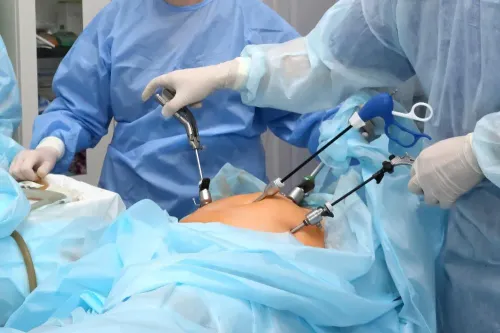
When an adequate trial of medicines fails, the choice depends on whether you prioritise pregnancy, uterine preservation or the most definitive relief. A levonorgestrel-releasing intrauterine system may control bleeding and pain but does not remove adenomyotic tissue; GnRH medicines suppress symptoms temporarily and are usually a bridge, not a permanent solution.
| Option | What it means | When it applies |
|---|---|---|
| Uterine artery embolisation | Blocks blood flow to the uterus, reducing adenomyosis-related bleeding and uterine bulk without removing the uterus. | Consider it when symptoms persist and you want to avoid hysterectomy. Discuss post-procedure pain, possible recurrence, reintervention and uncertain effects on future fertility with a specialist. |
| Adenomyomectomy | Removes or reduces an adenomyosis-affected area while retaining the uterus. | Best suited to selected, localised disease that imaging can map. Diffuse disease makes surgery harder, and the uterine scar can affect a later pregnancy and delivery plan. |
| Hysterectomy | Removes the uterus and is the definitive treatment for adenomyosis. | Choose it when childbearing is complete and bleeding, pain or uterine enlargement remains unacceptable despite other treatment. It permanently ends the ability to carry a pregnancy. |
MRI can help map disease before embolisation or adenomyomectomy, particularly when ultrasound is unclear. Hysterectomy does not automatically mean removing the ovaries; ovarian conservation is a separate decision based on age, ovarian disease, cancer risk and your preferences.
How to match treatment to fertility plans, anaemia and disease extent
Match treatment to fertility, pregnancy plans, uterus preservation, anaemia, pain and disease extent. Age matters: someone near menopause may prioritise definitive treatment, while someone seeking pregnancy needs a conception-compatible plan.
1. If pregnancy is desired, choose treatment that permits conception. Uterus-sparing treatment can preserve reproductive potential, but adenomyomectomy is demanding; full-thickness surgery raises risks of uterine rupture and abnormal placentation, so later pregnancy needs specialist surveillance.
2. If pregnancy is not desired, hormonal suppression or a procedure may fit. Hysterectomy definitively treats adenomyosis but ends the ability to carry a pregnancy. Ovary removal is separate, based on ovarian disease, cancer risk, age and preference.
3. Treat iron-deficiency anaemia alongside bleeding: obtain a full blood count, replace iron, and investigate persistent anaemia for ongoing loss, poor adherence or another diagnosis.
4. Focal disease may suit targeted surgery; diffuse or deep disease often makes endometrial ablation a poor choice because adenomyosis lies in uterine muscle. Ablation is unsuitable for a future pregnancy. Fibroids, endometriosis, migraine, smoking, hypertension and clot risk alter medicine choice.
5. After treatment fails an adequate trial, reassess imaging, diagnosis and goals rather than repeating it indefinitely. MRI can map disease before surgery when ultrasound is unclear.
Dr Bhavini Shah Balakrishnan can help weigh imaging, coexisting conditions, anaemia and prior response before choosing medical, uterus-sparing or definitive care.
Related services
Laparoscopy Treatment Laparoscopy is a minimally invasive surgical procedure that uses a thin, lighted tube with a camera (laparoscope) to examine the inside of the... View service → |
Pregnancy care, Contraceptive Counseling, Conception Couseling, CuT Insertion All high risk pregnancy care, All gynecology problems, contraceptive counseling. Ultrasound Facility. View service → |
Frequently asked questions
What is adenomyosis, and why can it cause heavy periods?
Adenomyosis occurs when endometrial-like tissue grows into the uterine muscle, disrupting contractions and increasing bleeding and pain.
How do clinicians investigate heavy bleeding suspected to be adenomyosis?
Clinicians review symptoms, examine the pelvis and use ultrasound, with MRI when ultrasound findings are unclear or disease mapping is needed.
Which medicines can control adenomyosis bleeding and pain?
Treatment may include hormonal contraception, a levonorgestrel intrauterine system, tranexamic acid for heavy bleeding and anti-inflammatory medicines for pain.
When do procedures or surgery become part of treatment?
Procedures or surgery enter the discussion when medicines fail, bleeding causes anaemia, symptoms severely affect daily life or fertility goals require a different approach.
How is treatment matched to fertility plans, anaemia and disease extent?
The choice depends on whether you want pregnancy, the severity of anaemia, symptom control, uterine involvement and whether disease is focal or diffuse.