Endometriosis can reduce fertility through adhesions, inflammation, tubal damage, endometriomas and changes in ovarian reserve, but the best next step depends on more than disease stage. By the end, you will know which tests clarify your options and how age, time trying, tubes, sperm results and prior surgery shape the choice between continued attempts, IUI, surgery, IVF and ICSI.
Key takeaways
- Pelvic adhesions can disrupt egg pickup and sperm–egg meeting.
- Fertility testing assesses ovarian reserve, tubal function, semen and pelvic anatomy.
- IUI or surgery may help selected patients before moving to IVF.
- IVF or ICSI can be more efficient when endometriosis reduces natural conception chances.
How endometriosis can interfere with conception
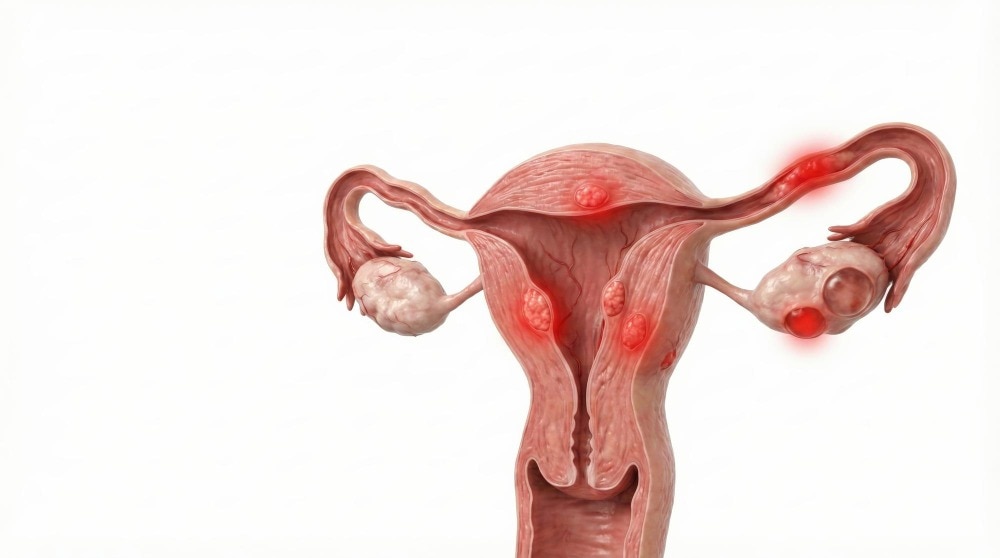
Endometriosis and infertility are linked through several disruptions, not one single blockage. Pelvic adhesions can tether an ovary or fallopian tube to surrounding tissue. This distorted pelvic anatomy can stop the tube from picking up an egg or prevent sperm and egg from meeting.
Tubal damage can also hinder the egg, embryo or sperm from travelling normally.
Inflammation creates additional obstacles, even when the tubes appear open. Inflammatory chemicals in the pelvis can interfere with:
- ovulation
- sperm movement and survival
- fertilization
- early embryo development
- implantation in the uterus
Endometriomas, which are ovarian cysts caused by endometriosis, can damage healthy ovarian tissue and reduce ovarian reserve, meaning fewer eggs remain available. Surgery to remove an endometrioma can reduce ovarian reserve further, particularly after operations on both ovaries or repeated procedures. Age-related decline in egg quantity and quality can compound that reduction.
The amount of visible disease does not predict fertility perfectly. Small lesions can still produce inflammation, while extensive adhesions can severely alter pelvic anatomy. Pain during sex may also reduce how often intercourse occurs, but pain alone does not explain all endometriosis and infertility.
The fertility tests that guide treatment decisions
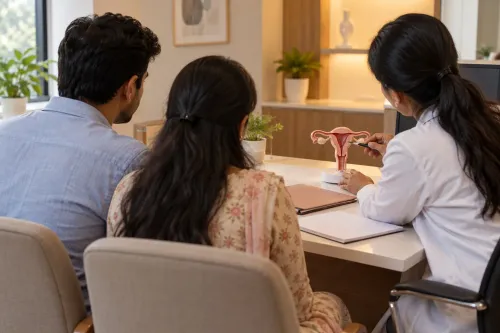
Request a complete fertility evaluation now rather than waiting for endometriosis confirmation. Expedite it if you have irregular cycles, previous pelvic surgery, known endometriosis, or are older, because age-related decline in egg quantity and quality adds time pressure.
Ask for these evaluations:
- Ovulation assessment using cycle history and, when needed, mid-luteal progesterone testing.
- Ovarian reserve testing with AMH, antral follicle count, and sometimes day-two-to-four FSH and estradiol. Discuss these results before ovarian endometrioma surgery because treatment can reduce ovarian reserve.
- Tubal-patency testing with hysterosalpingography or HyCoSy.
- Uterine assessment during transvaginal ultrasound, including the endometrial cavity and ovarian appearance.
- Semen analysis for the male partner; sperm-related infertility can coexist with endometriosis.
- A symptom history and pelvic examination, with MRI if deep endometriosis is suspected.
| Test | What it can show | How it guides treatment |
|---|---|---|
| Transvaginal ultrasound | Endometriomas, ovarian reserve clues, fibroids and some deep lesions | Identifies ovarian or uterine factors and whether surgery needs careful discussion |
| Tubal-patency test | Blocked tubes or impaired passage | Supports timed intercourse, IUI or IVF decisions |
| Ovarian reserve testing | Expected response to stimulation, not egg quality | Helps weigh surgery against faster fertility treatment |
| Semen analysis | Sperm count, movement and shape | Detects a factor that can change the treatment pathway |
A normal ultrasound does not rule out superficial endometriosis. Laparoscopy is not automatically required solely to confirm the diagnosis; consider it when surgery could treat visible lesions or adhesions and the expected fertility benefit outweighs its risks.
When to try naturally, use IUI or consider surgery
Age and time trying often determine the pace. Expectant management or ovulation-timed intercourse may suit someone younger with a recent infertility diagnosis, regular ovulation, open tubes, adequate semen analysis and little pain.
Do not wait through a prolonged trial when age is advancing, ovarian reserve is reduced or infertility has already lasted 12 months, or six months if you are 35 or older.
| Option | What it involves | When it fits |
|---|---|---|
| Expectant management | Continue trying without fertility treatment | Short infertility duration, favourable age and test results, mild or no symptoms |
| Ovulation-timed intercourse | Intercourse during the fertile window, identified by cycle tracking or ovulation testing | Open tubes, regular ovulation and adequate sperm, with no urgent age or ovarian-reserve concern |
| IUI for endometriosis | Oral ovulation induction followed by insemination, placing washed sperm inside the uterus | Minimal or mild disease, at least one usable tube and adequate total motile sperm count |
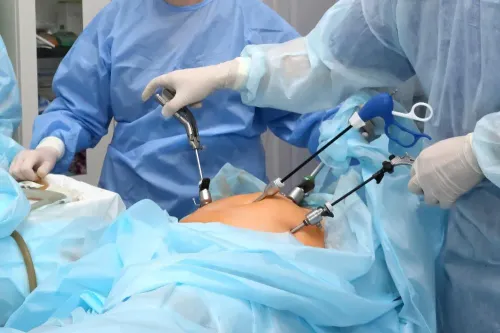
| Laparoscopy for infertility | Keyhole treatment of visible lesions or adhesions | Significant pain, suspected adhesions or selected minimal/mild disease after weighing surgical risks |
IUI becomes less useful when both tubes are blocked or sperm quality is substantially impaired. Laparoscopy may improve spontaneous conception in selected minimal or mild cases, but stage alone should not dictate surgery; extensive disease, previous operations or a low ovarian reserve can make further surgery more harmful than helpful.
If you choose surgery, discuss ovarian-reserve testing and the effect of removing an endometrioma before proceeding. A painful condition deserves treatment, but pain relief and improved fertility are separate goals.
When IVF or ICSI becomes the more efficient option
IVF becomes the more efficient route when tubal transport is unreliable, time is limited, or lower-intervention treatment has already failed. Bilateral tubal damage, extensive adhesions, prolonged infertility, older reproductive age, low ovarian reserve, or significant male-factor infertility can justify moving directly to IVF rather than repeating IUI or undergoing fertility-focused surgery.
| Option | What it achieves | When it applies |
|---|---|---|
| Surgery | Removes selected lesions or adhesions and may improve natural conception | Visible minimal or mild disease, significant pain, or a correctable pelvic problem when ovarian reserve and other factors support surgery |
| IUI | Places prepared sperm inside the uterus after ovulation stimulation | Usable tubes, adequate semen analysis, and minimal or mild disease |
| IVF | Retrieves eggs, fertilises them in the laboratory, and places an embryo in the uterus | Bilateral tubal damage, extensive adhesions, low ovarian reserve, repeated failed IUI, or major time pressure |
The case for IVF for endometriosis does not automatically justify removing an endometrioma first. Cystectomy can lower ovarian reserve and reduce egg retrieval, so consider it for substantial pain, suspected malignancy, difficult follicle access, or a large problematic cyst—not solely to improve IVF birth rates.
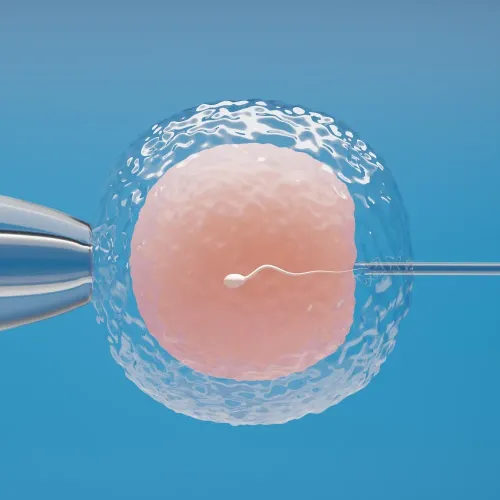
ICSI is not required just because endometriosis is present. The main ICSI indications are severe male-factor infertility, very low sperm count or movement, surgically retrieved sperm, a previous failure or very poor fertilisation with standard IVF, or a small number of available eggs where failed fertilisation would waste the cycle.
Protecting ovarian reserve while planning pregnancy
Surgery is not automatically the safest route to pregnancy. Removing an ovarian endometrioma can reduce pain and improve access to follicles, but it can also remove healthy ovarian tissue.
Check ovarian reserve before surgery with antral follicle count and anti-Müllerian hormone (AMH), and discuss egg or embryo freezing when reserve is low, age is a concern, or both ovaries need treatment.
| Option | Main trade-off | When it fits |
|---|---|---|
| Endometrioma surgery | Treats pain or selected cyst-related problems but can lower ovarian reserve and does not guarantee pregnancy | Severe pain, suspicious features, rapid growth, impaired follicle access, or a surgical plan agreed after fertility assessment |
| Deep endometriosis treatment | May restore anatomy and relieve bowel, bladder, ureter, or pelvic pain; fertility benefit is uncertain and complications can be substantial | Organ involvement, severe symptoms, obstruction, or carefully selected anatomy; use an experienced multidisciplinary centre |
| Hormonal suppression | Combined contraceptives, progestogens, and GnRH medicines control pain and reduce disease activity but do not raise pregnancy rates while used | Pregnancy is being deferred, including after surgery when recurrence prevention matters |
Recurrence risk belongs in the timeline. If you are not trying now, hormonal suppression can protect symptom control; stop it when you are ready to pursue conception, because it is not an infertility treatment. If surgery could delay treatment or further reduce reserve, proceeding directly to assisted conception may be more efficient.
Dr Bhavini Shah Balakrishnan can help align the choice with age, AMH, prior operations, symptoms, tubal status and semen results rather than relying on endometriosis stage alone.
Related services
IVF TREATMENT IVF (In Vitro Fertilization) is a form of assisted reproductive technology (ART) that involves combining eggs and sperm outside the body in a... View service → |
Laparoscopy Treatment Laparoscopy is a minimally invasive surgical procedure that uses a thin, lighted tube with a camera (laparoscope) to examine the inside of the... View service → |
Frequently asked questions
How can endometriosis interfere with conception?
Endometriosis can cause pelvic adhesions that distort the ovaries and fallopian tubes, making it harder for the tube to pick up an egg or for sperm and egg to meet.
Which fertility tests guide endometriosis treatment decisions?
Evaluation may include ovarian reserve testing, tubal assessment, pelvic imaging and semen analysis. These results help match treatment to your anatomy, egg supply and the sperm factors involved.
When should you try naturally, use IUI or consider surgery?
Trying naturally may suit people with favourable fertility tests and limited disease. IUI can help when at least one tube works and sperm access is the main concern. Surgery is considered when endometriosis or adhesions distort pelvic anatomy, but its effect on ovarian reserve must be weighed.
When is IVF or ICSI a more efficient option?
IVF may be more efficient when tubes are blocked or severely distorted, conception has not occurred after simpler treatment, or age and ovarian reserve make time important. ICSI adds direct sperm injection when sperm-related factors reduce fertilisation.
How can you protect ovarian reserve while planning pregnancy?
Ask how proposed endometriosis surgery could affect ovarian tissue, review your ovarian reserve before treatment, and compare surgery with IVF timing when egg supply or age makes delay costly.
Related services
IUI Treatment IUI (Intrauterine Insemination) is a fertility treatment that involves placing sperm directly into a woman's uterus to increase the chances of... View service → |
ICSI Treatment ICSI (Intracytoplasmic Sperm Injection) is a form of assisted reproductive technology (ART) used in cases of male infertility. View service → |