Heavy menstrual bleeding, persistent pelvic pain, and chronic discomfort can significantly affect a woman's quality of life. While medication successfully manages symptoms for many patients, some women require surgical treatment when conservative options are no longer effective. Hysterectomy for Fibroids and Adenomyosis may be recommended when symptoms become severe and future pregnancy is not planned.
Women in Mumbai frequently seek specialist advice after years of struggling with painful periods, excessive bleeding, or an enlarged uterus. Understanding when hysterectomy becomes an appropriate treatment option helps patients participate confidently in their healthcare decisions.
Understanding Fibroids and Adenomyosis
Although both conditions affect the uterus, they develop differently.
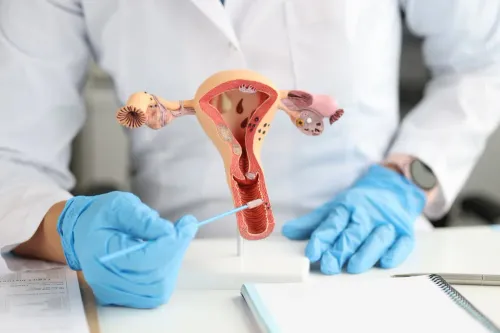
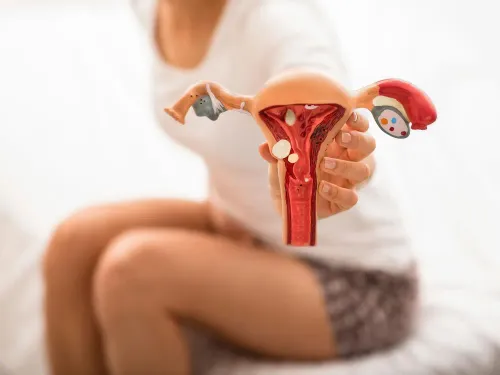
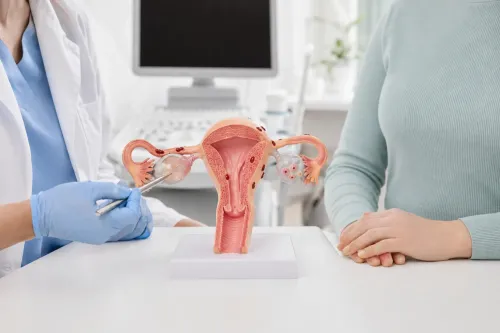
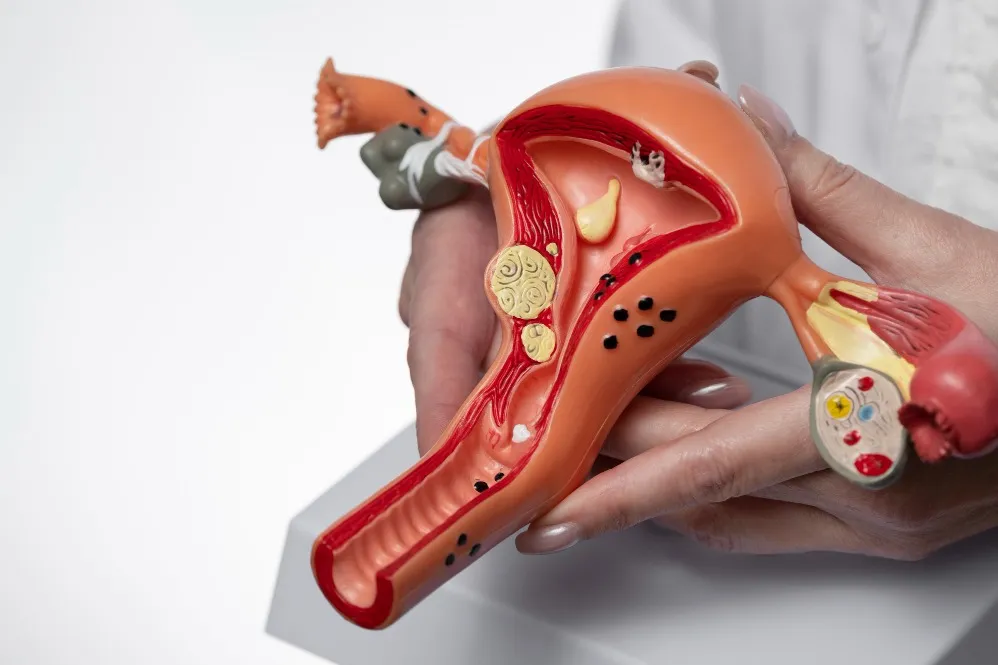
Fibroids are non-cancerous growths within the muscular wall of the uterus, while adenomyosis occurs when the uterine lining grows into the muscular layer of the uterus.
Both conditions can cause:
- Heavy menstrual bleeding
- Severe menstrual cramps
- Pelvic pain
- Pressure symptoms
- Frequent urination
- Fatigue caused by anemia
- Reduced quality of life
Accurate diagnosis is essential because treatment recommendations vary.
When Is Hysterectomy Considered?
Hysterectomy is usually recommended only after careful evaluation.
It may be considered when:
- Symptoms remain severe despite medication
- Fibroids are large or numerous
- Adenomyosis causes persistent pain
- Recurrent heavy bleeding leads to anemia
- Other treatments have failed
- Pregnancy is no longer desired
The decision is always individualized based on age, symptoms, and long-term health goals.
Types of Hysterectomy
Depending on the patient's condition, surgery may involve:
- Removal of the uterus alone
- Removal of the uterus with the cervix
- Additional removal of ovaries or fallopian tubes when medically indicated
Your gynecologist will explain which procedure is appropriate and why.
Can the Surgery Be Performed Minimally Invasively?
Many women are suitable candidates for laparoscopic hysterectomy.
Benefits may include:
- Smaller incisions
- Reduced postoperative pain
- Less blood loss
- Faster recovery
- Shorter hospital stay
- Lower infection risk
However, the surgical approach depends on the size of the uterus, previous surgeries, and other clinical factors.
Recovery After Surgery
Recovery differs from one patient to another, but most women benefit from following medical advice carefully.
Recovery recommendations often include:
- Gentle walking
- Avoiding heavy lifting
- Eating iron-rich foods if anemia was present
- Taking prescribed medications
- Attending scheduled follow-up appointments
Most women gradually return to normal daily activities as healing progresses.
Questions to Discuss Before Surgery
Before deciding on hysterectomy, consider asking your specialist:
- Are there alternative treatments available?
- Is minimally invasive surgery suitable?
- Will the ovaries be preserved?
- What is the expected recovery period?
- How will surgery affect long-term health?
Open communication helps patients feel more prepared and informed.
Women seeking advanced gynecological care in Mumbai often prefer specialists who carefully explain every available treatment option before recommending surgery. Dr Bhavini Shah Balakrishnan provides individualized evaluations for fibroids and adenomyosis, ensuring that each patient understands the benefits, limitations, and expected outcomes of hysterectomy when it is medically appropriate.
For women whose symptoms significantly interfere with daily life, timely surgical management can provide lasting relief and improve overall well-being.
Keywords