
Heavy periods that repeatedly interfere with work, travel, sleep, or daily responsibilities should not be dismissed as a normal part of menstruation. Adenomyosis is one possible cause, particularly when heavy bleeding occurs with severe cramps, pelvic pressure, or an enlarged and tender uterus.
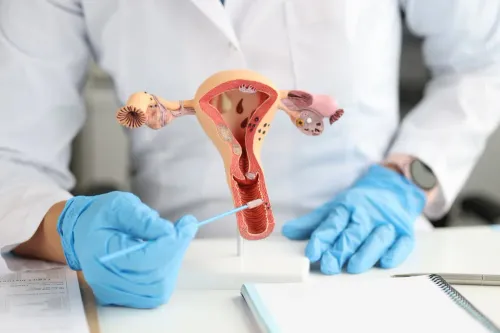
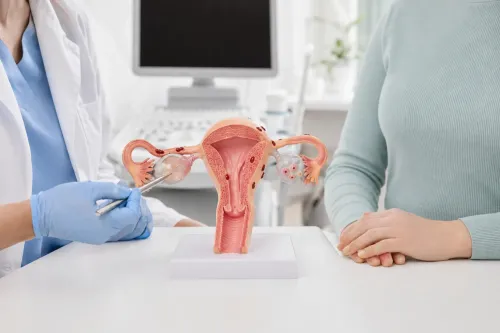
Adenomyosis develops when tissue similar to the lining of the uterus is found within the muscular wall of the uterus. This tissue responds to hormonal changes during the menstrual cycle and can contribute to inflammation, uterine enlargement, pain, and excessive bleeding.
Signs That May Suggest Adenomyosis
Symptoms vary considerably. Some women have adenomyosis without noticeable problems, while others experience:
- Heavy or prolonged menstrual bleeding
- Severe period pain
- Pelvic aching between periods
- Pain during intercourse
- Passing blood clots
- Abdominal heaviness or bloating
- Tiredness, dizziness, or breathlessness caused by anaemia
These symptoms can overlap with fibroids, endometriosis, polyps, hormonal disorders, or other gynaecological conditions. Proper diagnosis is therefore important before beginning treatment.
How Heavy Periods Are Evaluated
The consultation usually begins with a menstrual and medical history. Patients may be asked how many days bleeding lasts, how frequently sanitary protection needs to be changed, whether clots occur, and how symptoms affect daily life.
A pelvic examination and ultrasound may help identify changes associated with adenomyosis. MRI can provide additional detail when ultrasound findings are unclear or when surgery is being considered. Blood tests may be used to check haemoglobin and iron levels because prolonged blood loss can cause iron-deficiency anaemia.
Treatment Depends on Symptoms and Pregnancy Plans
Adenomyosis treatment for heavy periods is not the same for every patient. The appropriate approach depends on symptom severity, age, anaemia, other uterine conditions, previous treatment, and whether the woman wishes to become pregnant.
Possible approaches include:
- Anti-inflammatory medicines for menstrual pain
- Medicines that reduce menstrual blood loss
- Hormonal tablets
- A hormone-releasing intrauterine system
- Other hormonal therapies that suppress symptoms
- Procedures or surgery for selected patients
Medication can control symptoms but may not permanently remove adenomyosis. Some hormonal options also prevent pregnancy while they are being used, which makes reproductive planning an important part of the discussion.
Adenomyosis With Fertility Concerns
Women who are trying to conceive need an individualised plan. The evaluation may include ovarian reserve, ovulation, fallopian tube assessment, uterine structure, and semen analysis for the male partner. Adenomyosis may coexist with endometriosis or fibroids, so focusing on one scan finding without completing the fertility evaluation can overlook other factors.
Treatment may involve symptom management, fertility planning, assisted reproduction, or carefully selected surgery. Decisions should balance symptom relief against the need to preserve the uterus and avoid unnecessary delay, particularly when age-related fertility decline is relevant.
When Surgery May Be Discussed
Surgery is generally considered when symptoms are severe, less invasive treatment has not provided adequate relief, or another uterine condition also requires treatment. The type of procedure depends on whether adenomyosis is localised or spread throughout the uterine muscle.
For women who have completed their families and have disabling symptoms, hysterectomy may provide definitive treatment. It is not an appropriate option for someone wishing to carry a future pregnancy. Uterus-preserving procedures may be possible in selected cases, but benefits, limitations, recurrence, and pregnancy implications require careful discussion.
Practical Steps for Mumbai Patients
Women in Mumbai often manage demanding work schedules and long commutes, making heavy menstrual bleeding particularly difficult. Keeping a two- or three-month symptom record can help the gynaecologist understand the pattern. Note bleeding days, clotting, pain scores, missed activities, and medicines taken.
Dr Bhavini Shah Balakrishnan assesses possible adenomyosis with attention to bleeding severity, anaemia, imaging findings, quality of life, and pregnancy goals. Patients should seek prompt medical attention if bleeding soaks through protection very rapidly, causes fainting or breathlessness, occurs during pregnancy, or is accompanied by severe sudden pain.
Adenomyosis can be a long-term condition, but heavy periods do not have to be endured without evaluation. A clear diagnosis allows treatment to be selected around the patient’s health, priorities, and stage of life.
Keywords