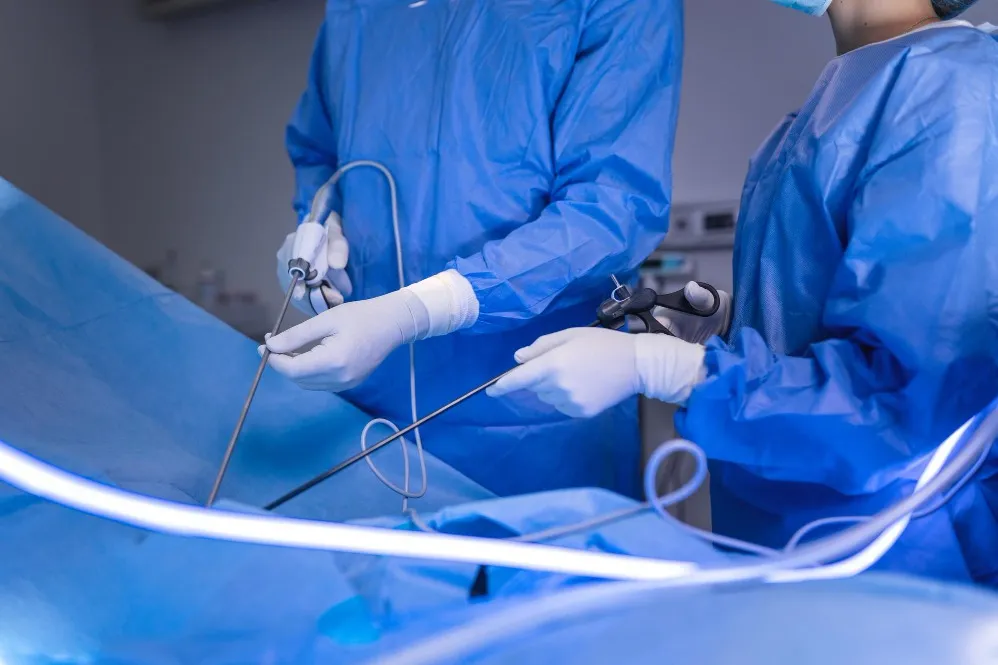
Uterine fibroids are one of the most common non-cancerous growths affecting women during their reproductive years. While many fibroids remain small and symptom-free, others can cause heavy menstrual bleeding, pelvic pressure, frequent urination, back pain, and even fertility challenges. When symptoms begin affecting everyday life, Fibroid Removal Through Laparoscopy offers an effective treatment option with the benefits of minimally invasive surgery.
Women in Mumbai often seek treatment when fibroids interfere with work, family life, or future pregnancy plans. Understanding when laparoscopic surgery is recommended can help patients make confident and informed healthcare decisions.
Understanding Uterine Fibroids
Fibroids are muscular growths that develop within or around the uterus. Their size can range from a few millimeters to several centimeters, and some women may have multiple fibroids at the same time.
Although the exact cause is not fully understood, several factors increase the likelihood of developing fibroids, including:
- Hormonal changes
- Family history
- Increasing age during reproductive years
- Obesity
- Early onset of menstruation
Not every fibroid requires treatment, but regular monitoring is important to detect changes in size or symptoms.
Signs That Fibroids May Need Surgical Treatment
Your gynecologist may recommend surgery if fibroids cause:
- Heavy or prolonged menstrual bleeding
- Pelvic pain or pressure
- Frequent need to urinate
- Constipation due to pressure on nearby organs
- Difficulty conceiving
- Recurrent pregnancy loss linked to fibroids
- Rapidly increasing fibroid size
A detailed evaluation helps determine whether surgery is the most appropriate option.
Why Laparoscopic Fibroid Removal Is Preferred
Laparoscopic myomectomy removes fibroids while preserving the uterus. This makes it an excellent choice for women who wish to maintain their fertility or avoid major abdominal surgery.
Some of the key advantages include:
- Smaller incisions
- Reduced blood loss
- Less post-operative pain
- Shorter hospital stay
- Faster recovery
- Minimal scarring
- Earlier return to daily activities
For suitable candidates, this technique provides excellent outcomes while reducing recovery time compared to traditional open surgery.
What Happens During the Procedure?
The operation is performed under general anesthesia.
The procedure generally involves:
- Small incisions are made in the abdomen.
- A laparoscope provides a clear view of the uterus.
- Specialized instruments remove the fibroids.
- The uterine wall is carefully repaired.
- The incisions are closed with small sutures.
The exact surgical approach depends on the number, size, and location of the fibroids.
Recovery After Surgery
Most women recover comfortably after laparoscopic fibroid removal.
During recovery, patients are usually advised to:
- Walk regularly to improve circulation
- Avoid strenuous exercise for several weeks
- Eat a nutritious diet rich in iron if heavy bleeding was present before surgery
- Attend follow-up appointments
- Report fever, severe pain, or heavy bleeding immediately
Many women notice significant improvement in their symptoms after healing is complete.
Will Fertility Improve?
Fibroids can sometimes interfere with implantation or pregnancy, particularly when they distort the uterine cavity.
Removing selected fibroids may improve the chances of conception in women facing fertility issues. However, every patient is different, and fertility outcomes depend on age, overall reproductive health, and the type of fibroids involved.
A personalized treatment plan is essential before deciding on surgery.
Women seeking minimally invasive gynecological care in Mumbai often benefit from consulting specialists experienced in fertility-preserving procedures. Dr Bhavini Shah Balakrishnan carefully evaluates each patient's symptoms, future pregnancy plans, and overall health before recommending the most appropriate treatment approach.
Early diagnosis and timely management can help relieve symptoms, preserve uterine health, and improve overall quality of life.
Keywords