Blocked or damaged fallopian tubes are one of the leading causes of female infertility. Since the fallopian tubes play a vital role in fertilization by allowing the egg and sperm to meet, any obstruction can make natural conception difficult. Fortunately, IVF for Tubal Problems offers an effective solution for many couples who wish to start or expand their family.
Many couples in Mumbai seek fertility advice after months or years of unsuccessful attempts to conceive. Understanding how IVF works for tubal infertility can help reduce uncertainty and support informed treatment decisions.
Why Healthy Fallopian Tubes Matter
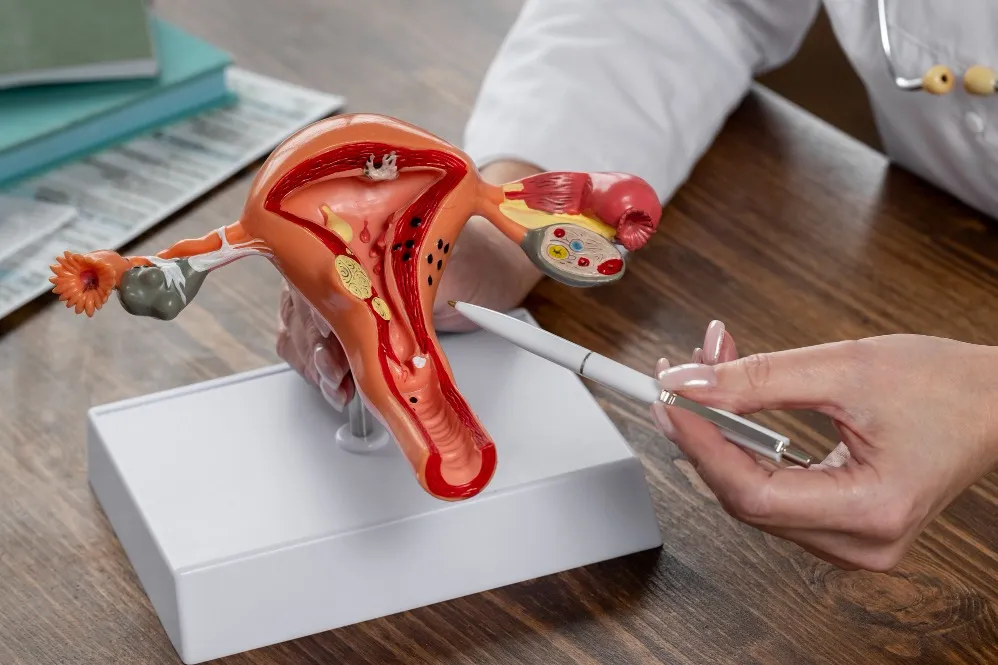
Every month, an egg is released from the ovary and enters the fallopian tube. Fertilization typically occurs within the tube before the embryo travels to the uterus for implantation.
When one or both tubes are blocked or damaged, this natural process may not occur.
Tubal damage can result from:
- Previous pelvic infections
- Endometriosis
- Pelvic surgery
- Ectopic pregnancy
- Pelvic inflammatory disease
- Scar tissue following abdominal infections
In some women, tubal blockage causes no symptoms and is discovered only during fertility investigations.
How Is Tubal Infertility Diagnosed?
A fertility evaluation usually begins with a detailed medical history and physical examination.
Common diagnostic tests include:
- Ultrasound examination
- Hysterosalpingography (HSG)
- Sonosalpingography
- Diagnostic laparoscopy in selected cases
- Hormonal evaluation
- Semen analysis for the male partner
A complete assessment ensures that both partners receive an appropriate fertility evaluation before treatment begins.
Why IVF Is Recommended
Unlike natural conception, IVF bypasses the fallopian tubes completely.
The treatment involves:
- Stimulating the ovaries to produce multiple eggs.
- Retrieving mature eggs through a minor procedure.
- Fertilizing the eggs with sperm in the laboratory.
- Monitoring embryo development.
- Transferring a healthy embryo into the uterus.
Because fertilization takes place outside the body, damaged fallopian tubes no longer prevent pregnancy.
Who Is a Good Candidate?
IVF may be recommended for women with:
- Both fallopian tubes blocked
- Severely damaged tubes
- Tubes removed after previous surgery
- Hydrosalpinx affecting fertility
- Tubal infertility combined with other fertility concerns
The decision depends on age, ovarian reserve, overall reproductive health, and the couple's fertility goals.
Improving the Chances of Success
Several factors influence IVF outcomes.
Patients are encouraged to:
- Maintain a healthy weight
- Follow a balanced diet
- Avoid smoking
- Limit alcohol consumption
- Control existing medical conditions
- Attend every monitoring appointment
- Follow medication schedules carefully
Emotional support and realistic expectations are equally important throughout the treatment process.
What Happens After Embryo Transfer?
Following embryo transfer, patients are usually advised to continue prescribed medications and attend follow-up appointments.
Although the waiting period can feel stressful, most women can continue light daily activities unless advised otherwise by their fertility specialist.
Pregnancy testing is performed after the recommended interval to determine the outcome of the cycle.
Choosing an experienced fertility specialist ensures that every stage of treatment is carefully planned. Couples seeking fertility care in Mumbai often look for personalized guidance based on their medical history rather than a one-size-fits-all approach. Dr Bhavini Shah Balakrishnan develops individualized fertility plans that help patients understand every step of the IVF process while focusing on safety and evidence-based care.
For couples facing tubal infertility, timely evaluation and the right treatment plan can provide a practical pathway toward achieving a healthy pregnancy.
Keywords