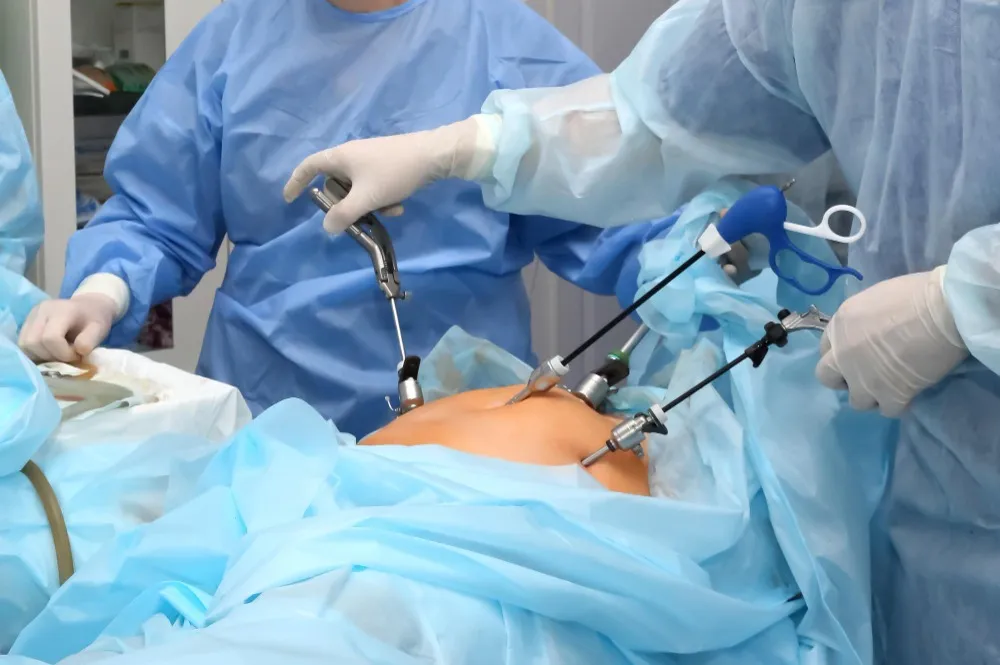
Uterine fibroids are non-cancerous growths that develop in or around the uterus. Some remain small and cause no difficulties, while others may lead to heavy menstrual bleeding, pelvic pressure, painful periods, frequent urination, fertility concerns, or complications during pregnancy. When symptoms become disruptive, laparoscopy for fibroid treatment may be considered after a detailed gynaecological evaluation.
Laparoscopic fibroid removal, known as laparoscopic myomectomy, is a minimally invasive procedure. Instead of making one large abdominal incision, the surgeon operates through several small openings using a camera and specialised instruments. The aim is to remove suitable fibroids while preserving the uterus.
When Fibroids May Require Treatment
Not every fibroid needs surgery. Observation may be appropriate when fibroids are small, symptoms are mild, and there are no immediate fertility concerns. Treatment becomes more relevant when a woman experiences:
- Prolonged or very heavy periods
- Anaemia caused by menstrual blood loss
- Persistent pelvic pain or pressure
- Abdominal swelling
- Pressure on the bladder or bowel
- Difficulty conceiving
- Repeated pregnancy loss associated with uterine distortion
- Rapidly worsening symptoms
The decision should be based on symptoms rather than the presence of a fibroid alone.
How Suitability for Laparoscopy Is Assessed
Before recommending laparoscopic surgery, the gynaecologist considers the number, size, position, and depth of the fibroids. Ultrasound is commonly used for initial assessment, while MRI may be advised when more detailed mapping is required.
Laparoscopy may be suitable when the fibroids can be safely reached and removed through small incisions. Very large, numerous, or deeply embedded fibroids may require a different surgical approach. Previous abdominal operations, overall health, anaemia, pregnancy plans, and the surgeon’s assessment also influence the decision.
What Happens During the Procedure
Laparoscopic myomectomy is performed under anaesthesia. A camera is introduced through a small incision, allowing the surgeon to view the uterus and surrounding pelvic structures. The fibroids are separated from the uterine muscle, removed using an appropriate technique, and the uterine wall is carefully repaired.
The duration of surgery depends on the complexity of the fibroids. Patients are monitored after the procedure, and the hospital stay varies according to recovery, surgical findings, and individual health needs.
Potential Benefits of a Minimally Invasive Approach
For appropriately selected patients, laparoscopic surgery may offer:
- Smaller incisions
- Less postoperative discomfort
- Reduced visible scarring
- Shorter hospitalisation
- Earlier return to routine activities
- Lower risk of some wound-related complications
These benefits are not identical for every patient. Fibroid surgery can still involve bleeding, infection, adhesions, injury to nearby organs, conversion to open surgery, or fibroid recurrence. A personalised discussion of benefits and risks is therefore essential.
Fibroid Removal With Future Pregnancy Plans
Myomectomy preserves the uterus, but surgery does not guarantee pregnancy. Fertility also depends on age, ovarian reserve, fallopian tube health, sperm factors, and other pelvic conditions.
Women planning pregnancy should ask how deeply the uterus will need to be repaired and how long they should wait before trying to conceive. In some cases, a planned caesarean birth may be discussed for a future pregnancy depending on the depth and location of the uterine incisions.
Preparing for a Consultation in Mumbai
Patients seeking fibroid care in Mumbai, Maharashtra, can make their consultation more useful by carrying:
- Previous ultrasound or MRI reports
- Blood tests, including haemoglobin results
- Details of menstrual bleeding
- Current medicines and supplements
- Previous surgery records
- Fertility treatment reports, if applicable
- A summary of pregnancy plans
Dr Bhavini Shah Balakrishnan evaluates fibroid symptoms alongside imaging findings, general health, and reproductive goals before discussing whether observation, medication, hysteroscopy, laparoscopy, or another treatment route is appropriate.
Laparoscopy for fibroid treatment is most effective when the procedure matches the patient’s symptoms and fibroid pattern. A thorough evaluation helps ensure that surgery is recommended for a clear clinical reason rather than simply because a fibroid has appeared on a scan.
Keywords