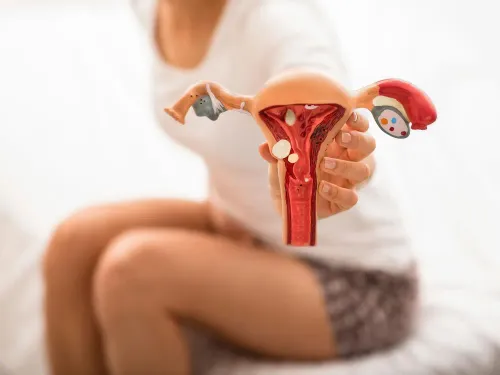
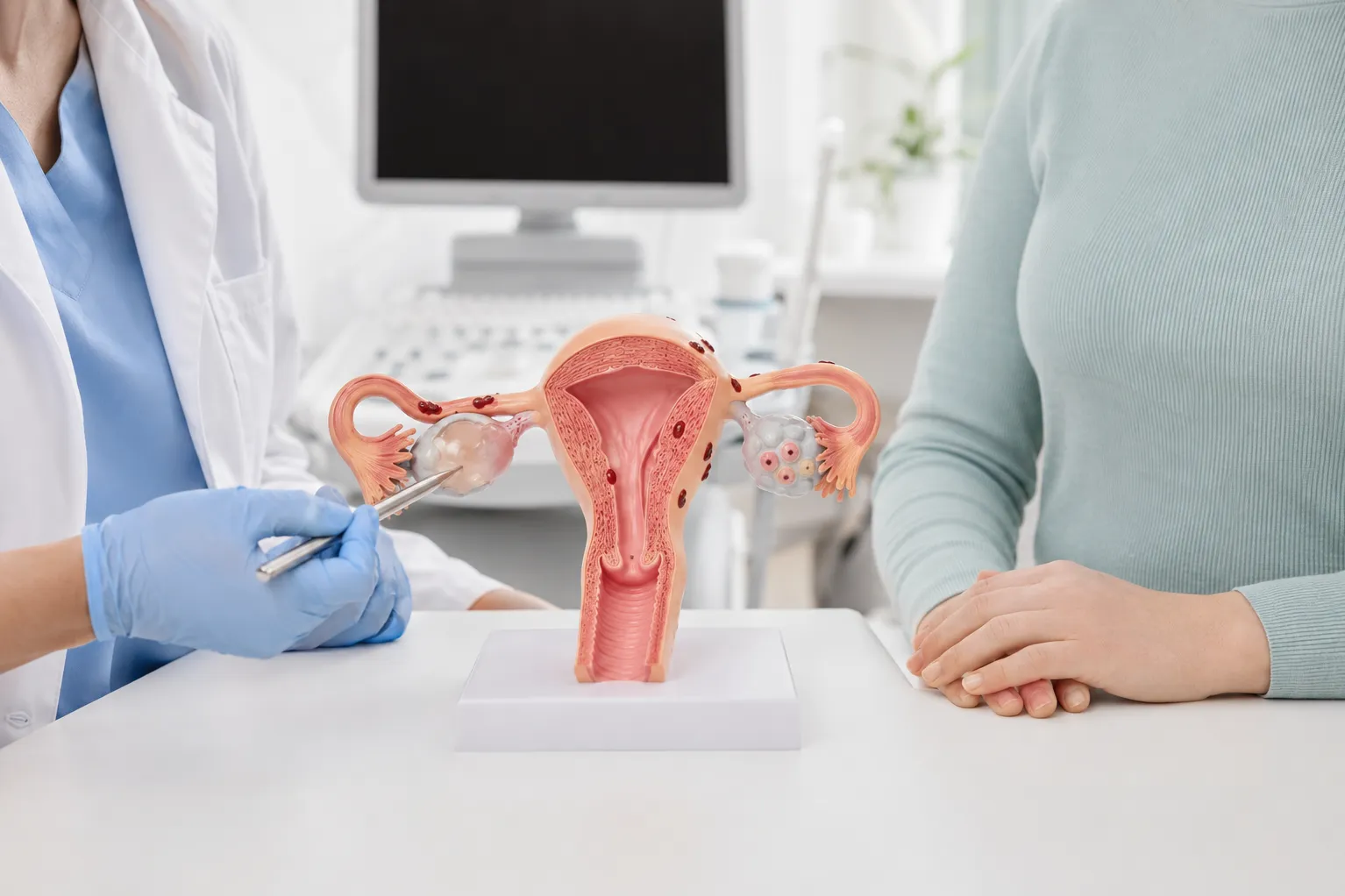
Ovarian cysts and endometriosis can both cause pelvic pain, yet they are not the same condition. An ovarian cyst is a fluid-filled or partly solid structure in or on an ovary. Endometriosis occurs when tissue resembling the uterine lining grows outside the uterus, often affecting the ovaries, pelvic lining, or surrounding organs.
Some ovarian cysts are related to normal ovulation and disappear without treatment. Others persist, enlarge, cause complications, or represent an endometrioma associated with endometriosis. Understanding the difference prevents both unnecessary alarm and delayed care.
Common Symptoms
A small ovarian cyst may be found incidentally during an ultrasound. When symptoms occur, they may include:
- One-sided pelvic discomfort
- A feeling of heaviness or fullness
- Abdominal bloating
- Pain during intercourse
- Changes in menstrual patterns
- Sudden severe pain if a cyst ruptures or twists
Endometriosis more commonly causes painful periods, pain during or after intercourse, chronic pelvic pain, painful bowel movements during menstruation, or difficulty conceiving. However, symptom severity does not always indicate the extent of the disease. Some women with extensive endometriosis have limited pain, while others with smaller lesions experience severe symptoms.
How the Conditions Are Investigated
Evaluation starts with a detailed history. The timing of pain in relation to menstruation, bowel or bladder symptoms, previous cysts, fertility plans, and family history can provide useful clues.
Pelvic ultrasound is commonly used to assess an ovarian cyst’s size and appearance. MRI may be helpful for complex masses or detailed endometriosis mapping. Blood tests are sometimes advised, but no blood marker can independently confirm or exclude ovarian cancer or endometriosis.
A cyst that appears simple and harmless may only require follow-up imaging. Persistent, enlarging, symptomatic, or complex cysts need closer evaluation.
When Observation May Be Appropriate
Premenopausal women frequently develop functional cysts. If a cyst is small, has reassuring ultrasound features, and is not causing significant symptoms, the clinician may recommend monitoring it over time.
Observation does not mean that the cyst is being ignored. It is an active plan based on the likelihood that the cyst will resolve or remain stable. The patient should understand when repeat imaging is required and which symptoms need urgent attention.
Treatment for Endometriosis-Related Symptoms
Endometriosis care may include pain-relieving medicines, hormonal treatment, fertility planning, or surgery. The correct choice depends on:
- Pain severity
- Location and extent of suspected disease
- Age and ovarian reserve
- Desire for pregnancy
- Previous surgery
- Response to earlier treatment
- Presence of an endometrioma
Hormonal treatment may reduce pain but does not help a patient conceive while she is taking medication that suppresses ovulation. Surgery may remove endometriosis or an endometrioma, but ovarian surgery can sometimes reduce healthy ovarian tissue. Fertility goals should therefore be discussed before operating.
Warning Signs Requiring Prompt Assessment
Sudden, intense pelvic pain with vomiting, weakness, fainting, or fever requires urgent medical evaluation. These symptoms may indicate ovarian torsion, cyst rupture, internal bleeding, infection, or another acute abdominal condition.
Postmenopausal ovarian masses also require careful assessment because the likelihood and types of ovarian disease differ after menopause.
Coordinated Care in Mumbai
Women seeking ovarian cyst and endometriosis care in Mumbai should bring previous scans rather than relying only on verbal summaries. Comparing images and reports over time can reveal whether a cyst is new, resolving, stable, or increasing in size.
Dr Bhavini Shah Balakrishnan considers the ultrasound appearance together with symptoms, age, menstrual history, and fertility plans. This helps distinguish patients who can be safely monitored from those who may benefit from medical treatment, fertility evaluation, or minimally invasive surgery.
Ovarian cyst care should not automatically lead to an operation, and endometriosis care should not focus solely on pain medication. A considered plan protects immediate health while also accounting for ovarian function, future pregnancy, and long-term quality of life.
Keywords