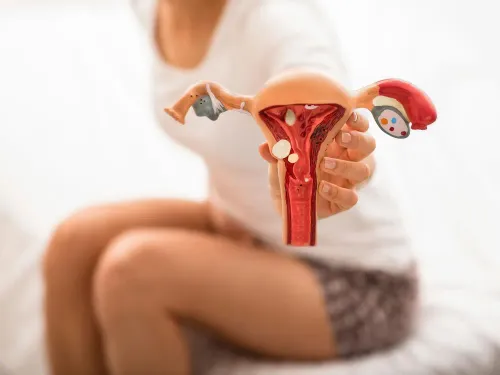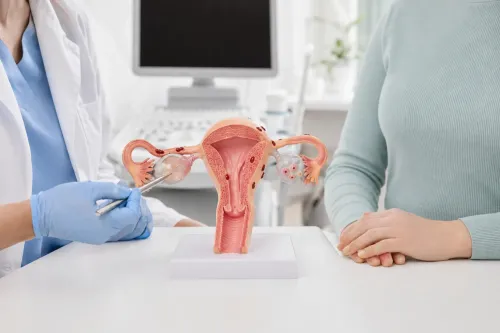
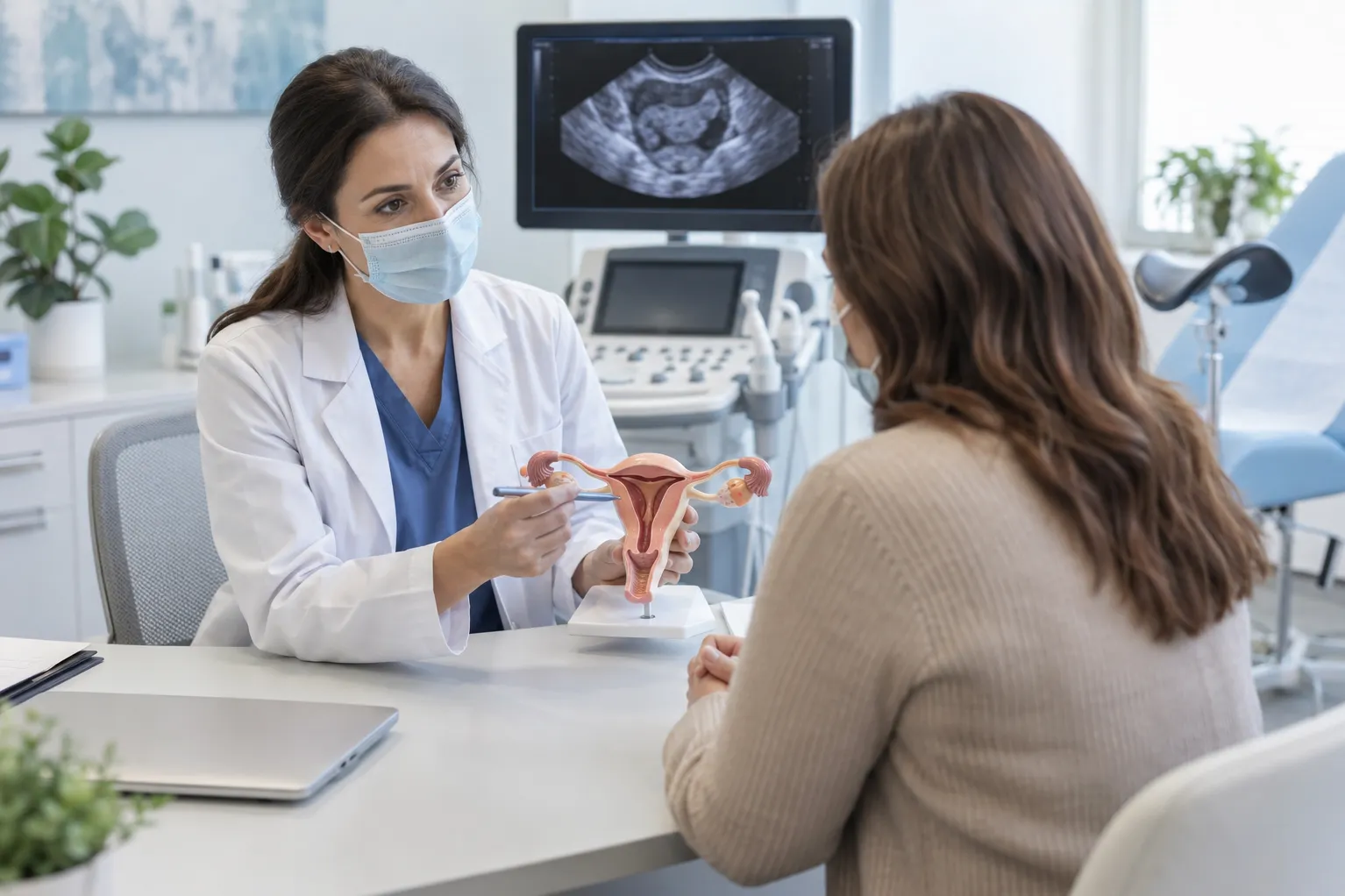
The fallopian tubes provide the pathway through which sperm reaches the egg and the early embryo travels toward the uterus. Damage or blockage may prevent fertilisation, increase the risk of ectopic pregnancy, or make natural conception less likely.
Tubal problems can affect one or both tubes. Their significance depends on where the blockage is located, whether the tube contains fluid, whether pelvic adhesions are present, and whether other fertility factors also exist.
What Can Damage the Fallopian Tubes?
Possible causes include:
- Previous pelvic infection
- Genital tuberculosis
- Endometriosis
- Earlier ectopic pregnancy
- Pelvic or abdominal surgery
- Adhesions caused by inflammation
- Hydrosalpinx, where a damaged tube fills with fluid
- Rare congenital differences
A woman can have tubal damage without obvious symptoms. Regular periods do not confirm that the tubes are open.
How Tubal Patency Is Checked
A hysterosalpingogram uses contrast dye and X-ray imaging to assess the uterine cavity and whether dye passes through the tubes. Ultrasound-based tubal testing may be another option in suitable settings.
Laparoscopy allows direct inspection of the pelvis and may identify endometriosis, adhesions, or external tubal damage. However, because it is an operation requiring anaesthesia, it is not automatically the first test for every fertility patient.
No test is perfect. Temporary tubal spasm can sometimes appear as blockage, particularly near the uterus. Results should therefore be interpreted with the images, medical history, and other fertility findings.
One Blocked Tube Versus Two
When one tube appears open and healthy, natural pregnancy may still occur if ovulation, sperm, and other reproductive factors are favourable. Treatment may involve continued natural attempts, ovulation tracking, or IUI in selected cases.
When both tubes are completely blocked, sperm and egg cannot meet naturally. IVF is often discussed because it bypasses the fallopian tubes. The decision also depends on age, ovarian reserve, semen results, and the exact nature of the tubal damage.
Hydrosalpinx Requires Special Consideration
A hydrosalpinx is a swollen, fluid-filled damaged tube. Fluid may enter the uterus and reduce the likelihood of successful embryo implantation. Treatment of the affected tube may therefore be considered before IVF.
Removing or blocking a damaged tube is a significant decision. The clinician should explain the evidence, surgical risks, effect on blood supply, and whether the opposite tube is healthy.
Can Tubal Surgery Restore Fertility?
In selected cases, laparoscopic surgery can treat adhesions, repair certain tubal problems, or reverse some forms of sterilisation. However, surgery is not equally useful for all types of damage.
Important considerations include:
- Site and length of blockage
- Condition of the inner tubal lining
- Presence of hydrosalpinx
- Degree of pelvic scarring
- Woman’s age and ovarian reserve
- Sperm quality
- Time available for conception
- Likelihood of ectopic pregnancy
- Comparative value of IVF
Surgery may restore anatomy without guaranteeing normal tube function. Couples should compare the expected chance of natural conception after surgery with the likely benefits, cost, and timeline of assisted reproduction.
Ectopic Pregnancy Awareness
Any previous tubal damage increases concern about ectopic pregnancy. A woman with a positive pregnancy test and one-sided pain, dizziness, fainting, shoulder pain, or unusual bleeding needs urgent medical assessment.
Early pregnancy monitoring may be recommended after tubal disease or a previous ectopic pregnancy to confirm that the pregnancy is developing within the uterus.
Planning the Next Step
Dr Bhavini Shah Balakrishnan evaluates tubal problems and infertility using the couple’s full reproductive profile rather than treating a tube report in isolation. Mumbai patients should bring actual images and prior operative records whenever available, especially after ectopic pregnancy, sterilisation, or pelvic surgery.
A report stating that a tube is “blocked” is the beginning of the discussion, not the complete diagnosis. Careful interpretation helps determine whether repeat assessment, natural attempts, IUI, surgery, or IVF offers the most appropriate pathway.
Keywords